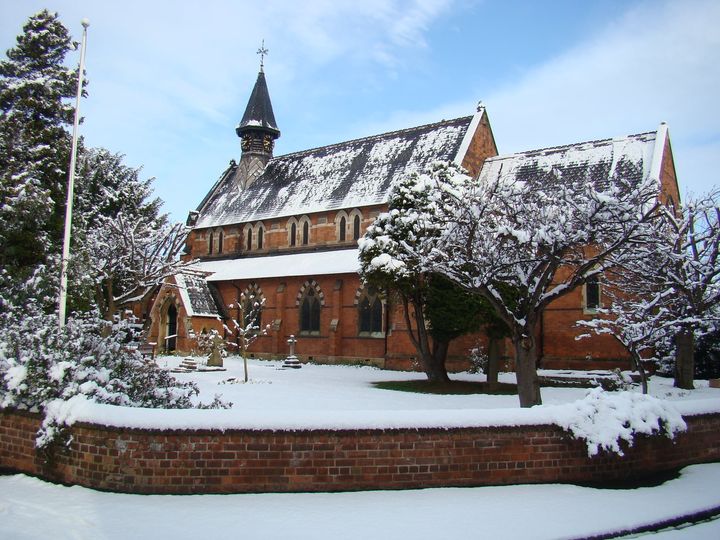
Photo: St Peter’s church, Anlaby – one of the buildings where I minister
How’s this for a brief definition of church and pastoral ministry that I wrote recently, along with its foundation in the life of the Trinity? (Adding to, not replacing, the many wonderful descriptions we already have – the Church of England ordinal, for example.)
God the Trinity is supremely happy and joyful, and all his work in the world is the overflow of this joy. It’s God’s church, God’s work, God’s kingdom. The risen and ascended Christ is building his blood-bought, thankful, joyful, God-satisfied church by his Spirit working through his Word.
Therefore the purpose of ministry in the church is ‘the progress and joy in the faith’ of believers (Philippians 1:25) – to help believers to come to Christ and find their joy in him and be conformed more and more into his likeness (2 Corinthians 3:18) as they walk through the shadowlands of this life.
Mission is the overflow of that joy in reaching out to those who lack Christ and life and are stuck in patterns of self-destructive behaviour which lead to eternal death (Romans 1:18-25, John 3:36). The local church, as the precious and loved people of God, are the new community of God, being renewed into his likeness, making the good news known (Colossians 3:9-11, Philippians 2:14-15, Ephesians 4:32-5:2). ‘Gospel culture’ (living out the gospel of grace with one another) is as important as gospel doctrine.
The primary way in which mission happens in new areas is through the planting of new churches.
The undershepherd’s role (1 Peter 5:4) is to point people to Jesus as their Shepherd, the one who provides and strengthens and sustains by his Holy Spirit through his Word; to protect God’s people from ungodly teaching and living (Acts 20:28-31); to nurture and grow the joy and spiritual health of the leadership team; and to provide an environment in which all are able to flourish. The church leadership (including the undershepherd) should be ‘chief repenters’, modelling repentance, faith and God-dependence to the remainder of the church family.
What have I missed? What would you phrase differently? Do let me know in the comments section.
 Imperfect Pastor